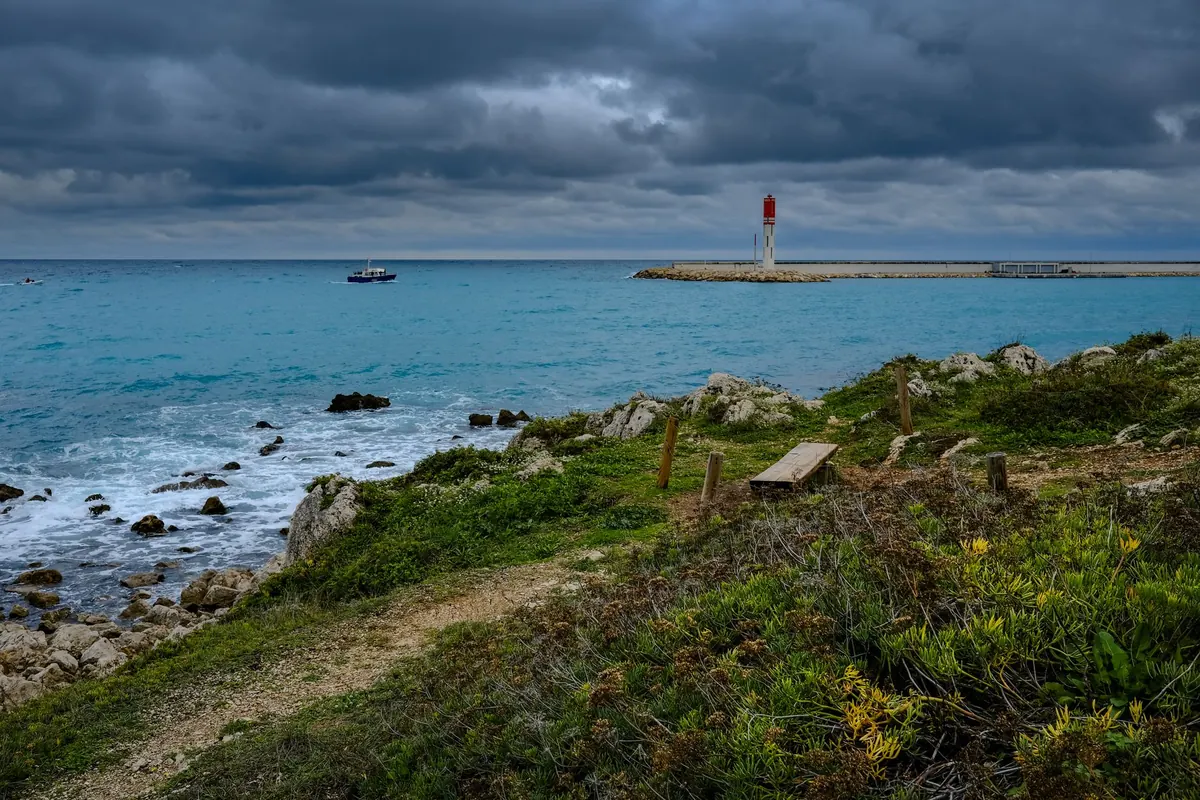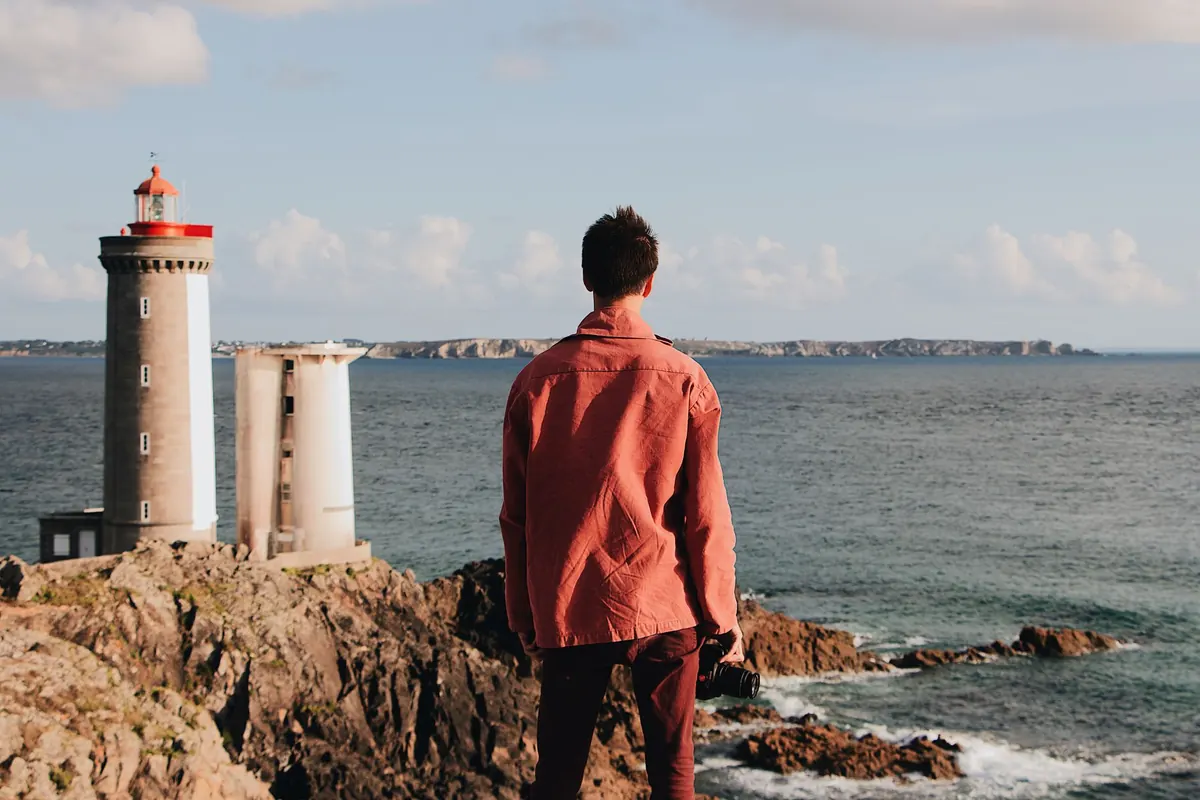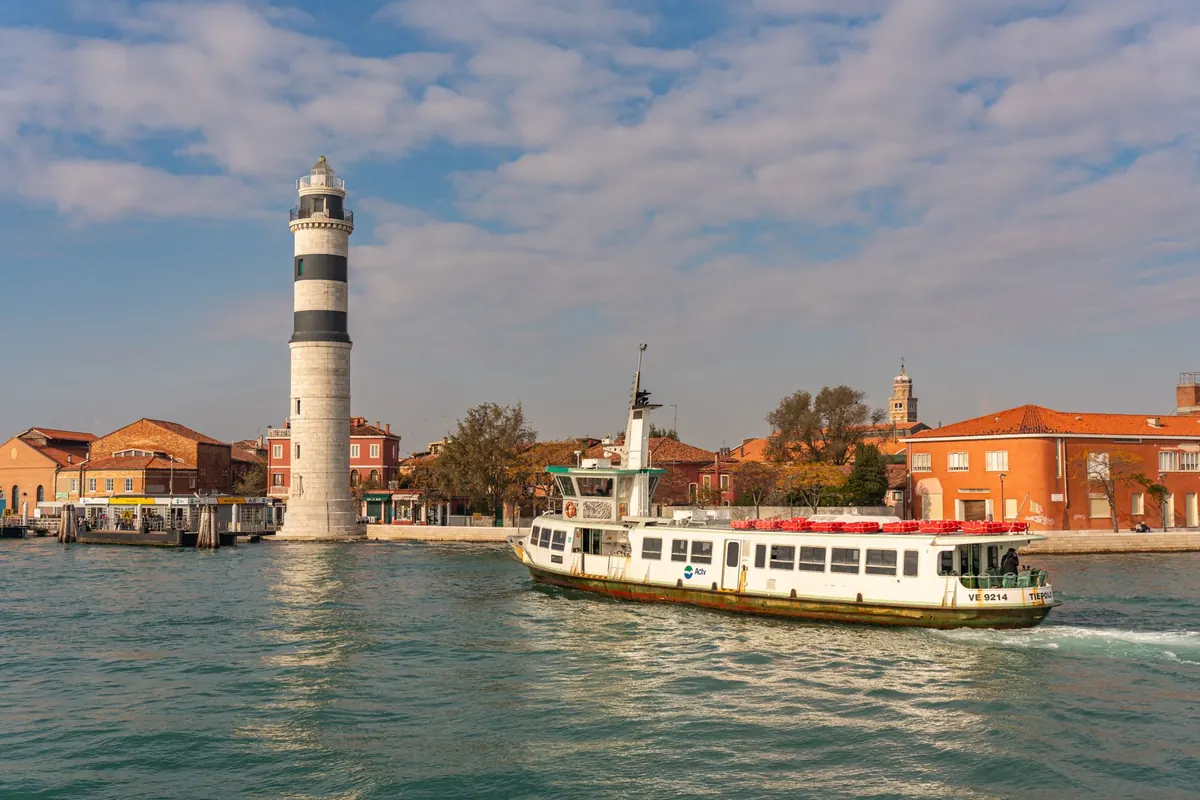
Half the pleasure of an island lighthouse is the boat ride to it. The other half is standing on a rock at the edge of Italy with the wind flattening your hair. But not every light on every island earns its ferry fare. Some sit two hours' walk from the landing with no shade and nothing to drink; others are fenced, automated and strangely dull once you arrive. What follows compares the Italian island lighthouses you can realistically reach on foot, judged on the things that actually matter: how often the ferry runs, how long the walk is, what you see from the base, and whether there is anywhere to sit down afterwards.
What separates a good lighthouse trip from a wasted afternoon
Four things decide it, and none of them is the height of the tower.
- A ferry that takes foot passengers and runs more than twice a day. A morning-only crossing turns a day trip into an unplanned overnight.
- Distance from the landing. Under an hour on foot is a stroll. Over two hours in the open sun is an expedition, and should be planned as one.
- Access to the site itself. Assume the tower is closed. Treat it as a monument you look at, not one you climb.
- What exists at the end. Shade, water, a bar, a swimming spot, a bench. On a hot day these matter more than the view.
One thing to get straight before you book anything: most Italian lighthouses are working aids to navigation, owned by the state and often automated and locked. A few have been leased out for hospitality or cultural use, and occasionally a tower opens for a local festival. Check locally when you arrive rather than planning the trip around an interior you may never see. You are going for the position — the cliff, the point, the long look at open water.
Capri: Punta Carena, the easiest big payoff
This is the lighthouse people picture when they picture an Italian lighthouse: a tall tower on the south-west tip of Capri, below Anacapri, standing over a shelf of rock where people swim. It is often called Italy's second-tallest lighthouse, a claim that starts arguments among lighthouse people, but the setting is beyond dispute.
The crossing is the easy part. Fast ferries run from Naples in roughly fifty minutes and from Sorrento in about twenty, with seasonal boats from Positano and Amalfi. From Anacapri, a seasonal bus drops you near the point; miss it and you are looking at a long, hot walk down a road with almost no verge. Capri in July is not an island for improvisation. Go in May or October, or go at opening time.
At the base there is a bathing establishment and restaurant, sunbeds on concrete platforms, and deep blue water for swimming. That combination — real facilities plus a genuinely dramatic position — is why this one wins for a first trip.
Elba: two lights worth driving between
Elba is the opposite problem. Ferries from Piombino run constantly to Portoferraio, and in season to Rio Marina and Cavo, so the crossing is never the obstacle. The island is the obstacle: the lighthouses are scattered across a large, hilly territory with thin bus service. Bring a car, or rent one at the port.
Two are worth planning around. On the west coast near Patresi, the tower at Punta Polveraia sits above terraced slopes of vines and rock — a site to walk to and photograph rather than tour. In the east, the light at Capo Focardo stands near the old Spanish fort south of Porto Azzurro, with a broad view back over the bay.
If you want a lighthouse without leaving your seat, look up as the ferry comes in: the fort above Portoferraio harbour carries a light that has been guiding boats into that bay for centuries.
Giglio: Capel Rosso, the walker's lighthouse
Capel Rosso is the southern tip of Giglio, and the walk there is the whole point. Ferries leave Porto Santo Stefano and take about an hour. From Giglio Porto, take the bus up to Giglio Castello, then follow the track south through scrub until the island runs out.
It is rough, exposed and takes the better part of two hours each way if you stop for photographs. There is no water, no shade worth the name and no facilities at the end: a lighthouse, a fence, the sea, and a very good sense of having left. Do not attempt it in August at midday. Do carry more water than you think you need, and proper shoes rather than sandals.
This is the one to choose if the ferry ride and the sweat are the attraction, not the tower.
San Pietro: Capo Sandalo, the cliff lighthouse
Ferries from Portovesme take about forty minutes to Carloforte, and from Calasetta about thirty. From the town, a narrow road climbs and then runs out at the western tip of the island, where the lighthouse stands on top of high cliffs. The tower is closed; the position is not.
This is the most dramatic landscape in the group. Cliffs drop straight into the water, raptors ride the updraughts along the rock face, and the horizon is empty. Afterwards, drive back into Carloforte for lunch — the town's tuna tradition is older and more serious than anything you will find on Capri, and the harbour is a pleasant place to waste an hour waiting for the return boat.
Ischia: Punta Imperatore, the sunset one
On the western nose of Ischia, above Forio, the lighthouse at Punta Imperatore is the last thing the sun touches on that side of the island. Ferries run from Naples and Pozzuoli to Ischia Porto, then it is a bus or a taxi across the island.
The tower is fenced and automated, and the immediate surroundings are less polished than Capri's. Come anyway, in the late afternoon, with something to eat and drink in a bag, and stay for the light. It is the least effortful of these trips and the best one for a short stay on the island.
The shortlist, compared
- Best first trip: Punta Carena, Capri — frequent ferries, a bus, food and swimming at the base.
- Best with a car: Elba — two good sites and a third visible from the ferry, but you need wheels.
- Best walk: Capel Rosso, Giglio — demanding, exposed and completely worth it in the right season.
- Best landscape: Capo Sandalo, San Pietro — cliffs, birds and empty horizon.
- Best evening: Punta Imperatore, Ischia — low effort, high reward at sunset.
- Skip all of them if climbing the tower is the main draw. Plan on the outside only.
Practical notes before you book a ferry
- Check the return times first, not the outbound ones. The last boat of the day leaves earlier than you expect, especially outside July and August.
- Buy foot-passenger tickets in advance for Capri and for any summer weekend; turn up and buy at the port for Elba and Giglio, where capacity is
Photo: Vladimir Srajber / Pexels