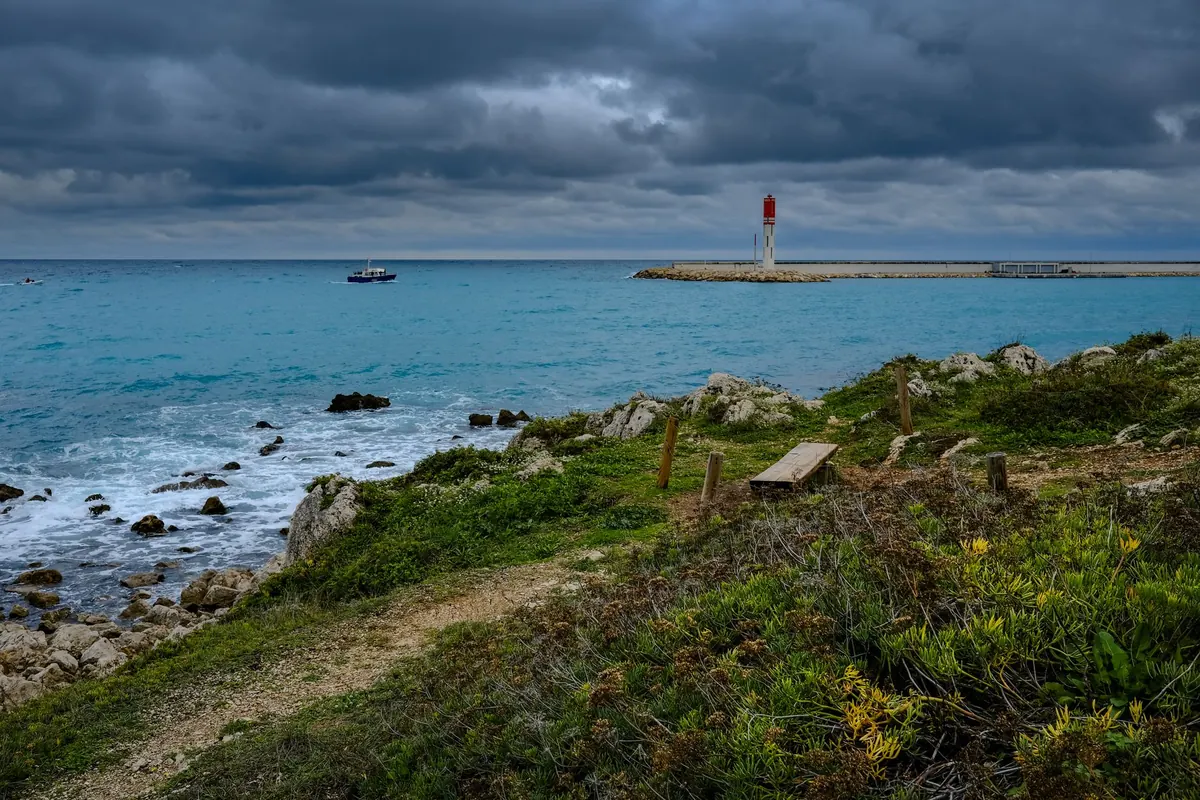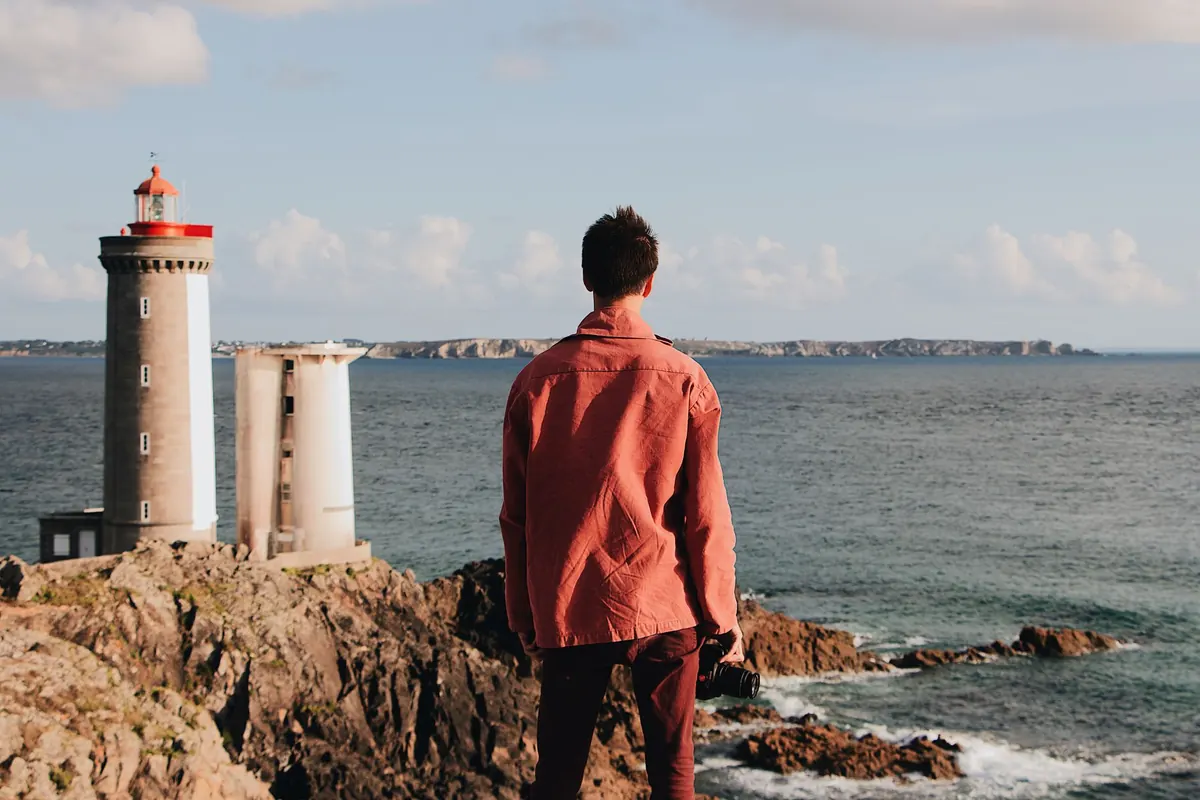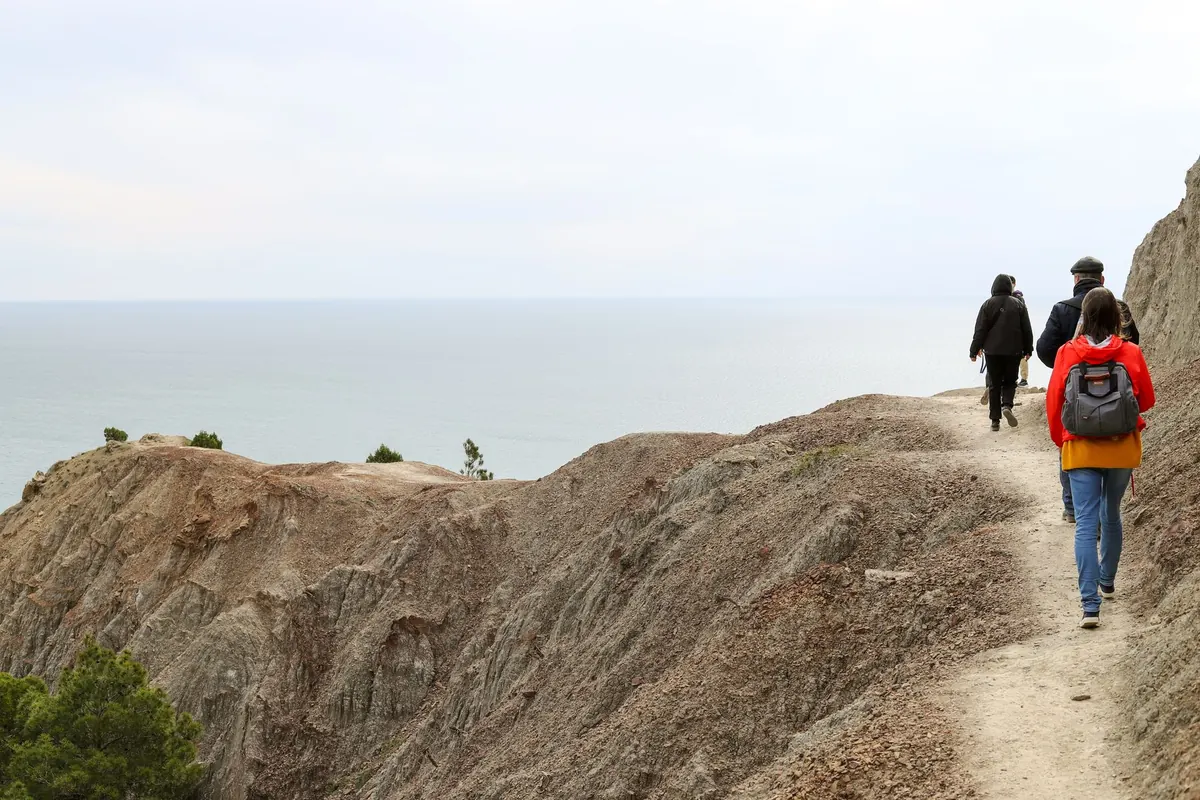
The last stretch to a lighthouse is almost never a stroll. It is a gravel track that turns greasy after rain, a flight of concrete steps slick with spray, a headland path where the wind arrives a few seconds before you do. That is the whole point, of course: the light was built where the coast is awkward, and the walk in is part of the visit. It also means a lighthouse hike rewards a more thoughtful pack than a loop around the local park. What follows is the checklist worth running through before you lace up, ordered roughly the way you would actually pack: weather first, water second, navigation and safety always, comforts last.
Read the coastal forecast, then pack for its worst hour
Coastal forecasts are their own genre. The temperature shown for the nearest town is measured somewhere sheltered, often several kilometres inland, and the headland at the end of your trail can be a weather system away from it. Before you pack, check three things rather than one: wind speed and gusts, the chance of rain during the exact hours you will be out, and the marine forecast if the route is exposed.
A 15°C afternoon at the car park can feel like single figures on a point with a stiff onshore wind, and that is the hour your clothing has to handle, not the brochure version. Build the pack around layers instead of one heroic jacket: a synthetic or wool base layer, a light fleece or insulated mid-layer, and a windproof shell with a hood that stays up when it matters. Cotton is the one fabric to leave at home, since it holds moisture and stops insulating the moment you sweat on the climb.
Add a hat that grips. Loose caps disappear off cliffs with impressive speed, so bring a beanie or something with a cord. Gloves are worth the space in shoulder season, and a small dry bag or sealed pouch keeps phone, camera and map usable after a squall. On Mediterranean coasts, where many lights sit at the end of an old mule track or a set of steps cut into rock, the wind is often the bigger problem and the rain the more occasional one, but both deserve a place in the bag.
Water, food, and the stop at the top
Water is the item people under-pack most often, because lighthouses look close on a map. They rarely are. The path zigzags, the ground is slow, and the final approach usually climbs. For a half-day coastal hike, one to one and a half litres per person is a sensible floor, and more on a hot day or a route with real ascent. Drink steadily rather than rationing: if your bottle is empty before you reach the light, you carried too little. Keep it in a side pocket where you can reach it without taking the pack off, because the moment you sit down is the moment you will want it.
Food should be boring and easy. Something salty, something with fat and protein, and something you can eat one-handed while leaning into wind. Do not build lunch around the cafe at the lighthouse: many are seasonal, some close midweek, and a few only open when the weather suits them. A sandwich in the pack plus a thermos is a better plan, and eating it on the leeward side of the tower is one of the small rituals of a lighthouse trip.
Navigation that still works without a signal
Headlands are patchy places for mobile coverage, and batteries drain faster in cold wind. Download an offline map before you leave, keep the phone in an inside pocket where it stays warm, and carry a power bank if the phone is also your camera. Better still, take a paper map or a printed route description in a plastic sleeve. It weighs nothing, it never asks for a password, and it keeps working when everything else sulks.
Pay attention to how the local trail is marked. Painted blazes, cairns, wooden posts and occasional arrows all mean something, and junctions are where they matter most, particularly where one branch veers toward the cliff edge. If the route crosses a beach, a low rocky shelf or a causeway, check a tide table before you set your start time; a path that is dry at ten in the morning can be impassable by mid-afternoon. Note the sunset time as well. Coastal light fades quickly, and a path that felt obvious on the way out turns ambiguous at dusk.
The safety kit: small, dull, non-negotiable
None of this is exciting, which is exactly why it works. Pack it once and leave it in the bottom of the day pack so it is always there.
- Headlamp with fresh batteries. A phone torch is not a substitute when you need both hands on a rough descent.
- Whistle on a cord. It carries further than a voice and costs almost nothing in energy.
- Small first-aid pouch: blister plasters, antiseptic wipes, tape, a couple of painkillers, and any personal medication you take.
- Foil emergency blanket, which is warm, weighs grams and doubles as a windbreak while you eat.
- Charged phone plus power bank, with an emergency number written on paper in case the screen dies.
- Sun protection: high-factor cream, lip balm and sunglasses. Glare off water is stronger than most people expect, even under cloud.
- Pocket knife or multitool, tissues, hand sanitiser, and a little cash for car parks and honesty boxes.
Then do the part that no item can replace: tell someone where you are going, which car park you are leaving from, and when you expect to be back. Send a message when you reach the car. If you are walking alone, that check-in matters more, not less. Near a coast you may also pick up a network from across the water, so switch off data roaming to avoid a nasty surprise on the bill.
Feet, layers and the comforts that earn their weight
Footwear is the decision that shapes the day. For wet rock, algae-slick concrete and loose gravel, choose boots or shoes with real grip and a sole you trust on a slope; for dry sandy paths, a light trail shoe is plenty. Wear wool or synthetic socks rather than cotton, and put a spare pair in the bag — dry socks at the top feel like a small holiday, and dry socks for the drive home are even better.
Strip layers on the climb before you start sweating, and add them again the moment you stop, because the wind at the top will find you within a minute. Trekking poles help on the descent, when tired legs and wet stone are the usual combination. Beyond that, pack what you will genuinely use: binoculars if you like watching ships and distant headlands, a small sit mat, a thermos, and a bag for your own rubbish. Leave the rest at home; a light pack is a safety feature in itself.
The five-minute check before you lock the car
Stand at the back of the car and run through this, in this order. It takes less time than finding a parking space.
- Water in the side pocket, food in the top of the pack, headlamp and whistle accounted for.
- Forecast checked for wind and rain in the hours you will actually be out, not just now.
- Route and return time shared with someone, and the tide checked if the path crosses the shore.
- Layers on your body matched to the coldest, windiest hour ahead, not the car park.
- Phone charged, offline map downloaded, and the walk back counted as part of the plan.
Do that much and the rest of the day belongs to the coast. The best lighthouse hikes are the ones where the only thing on your mind at the top is the view, the light turning, and how long you can reasonably stay before the wind decides for you.
Photo: Jakob Welik / Pexels